Environmental Injuries and Illnesses
Cold-Related Injuries and Illnesses
Core body temperature drops when the body loses more heat than it produces. In an outdoor emergency, heat loss by conduction and convection (wet and windy) are often the main contributors to hypothermia.
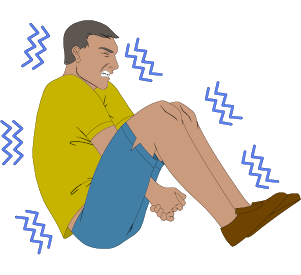
The body has several ways to minimize heat loss and keep the body core warm. One of the first things the body does when it is losing heat is start shivering. If the body keeps getting colder, the blood vessels in the arms, legs and at the skin surface get smaller. This keeps the blood in the core, where it is warmest.
If heat loss continues, the body processes get slower, including thinking, muscular action, and the senses. Shivering will become uncontrollable and then will slow down and eventually stop. The muscles get stiff, and movements become jerky. Thinking is confused, speech difficult and the senses dulled. The heart and breathing rates slow down and the person eventually loses consciousness. At this point, the condition is very serious. The heartbeat becomes unsteady and faint, and finally the heart stops.
When the heart stops beating, the person is considered dead. However, when body tissues are cold, they aren’t damaged as easily by a lack of oxygen. For this reason, there is often a chance of resuscitating a hypothermic person who doesn’t show any signs of life. This means that if you aren’t putting yourself or others at risk, you should continue your rescue efforts to get a hypothermic casualty to medical help.
|
How the Body Loses Heat |
|||
|
Heat Loss |
Explanation |
Example |
Prevention |
|
Radiation |
Heat radiates from the body into the air around it. |
A lot of heat radiates from the skin. |
Wear warm clothes. |
|
Breathing |
Cold air is inhaled, warmed by the body and exhaled, causing heat loss. |
The steam you see when you exhale on a cold day is cold air that your body has just warmed, and lost heat in doing so. |
Wear a parka with a “tunnel” hood or “ski tube.” This layer will warm the air you breathe. |
|
Evaporation |
Body heat is used to evaporate liquid on the skin. |
Sweating is how your body tries to keep cool on a hot day. |
Keep your skin as dry as possible. |
|
Conduction |
Heat moves directly from the body to a cold object that the body is touching. |
Sitting on the cold ground or wearing wet clothing as your heat moves from you into the ground or wet clothing. |
Do not get wet. Wear fabric next to your skin that wicks the moisture away. |
|
Convection (wind chill) |
The thin layer of warm air around the body is replaced by cooler air, which the body must now heat. |
The wind blows through openings in your clothing and blows away the warm air against your skin. |
Wear windproof clothing with snug cuffs and collars to keep the wind out. |
Hypothermia
A state of generalized cooling is called hypothermia and occurs when the body temperature has dropped. Hypothermia kills many Canadians each year but it is a condition that can be detected and corrected by a first aider if recognized early.
Anyone can become hypothermic, but the following groups are especially prone:
- Elderly people: They often have poor circulation, less ability to sense the cold, and may be on medication that promotes heat loss.
- Babies: They have less ability to recover from mild and moderate hypothermia because they lose heat more quickly and their bodies do not control body heat as well.
- People who are already weakened due to illness, injury, lack of food, fatigue, or by alcohol or drugs.
- Those who are under-dressed for the weather.
Signs of hypothermia
There are three stages of hypothermia: mild, moderate and severe, but it may be hard to tell exactly when one stage ends and another begins.
Mild hypothermia
The signs and symptoms of mild hypothermia may include:
- Pulse and breathing are normal
- Shivering present
- Conscious but withdrawn or disinterested
Moderate hypothermia
The signs and symptoms of moderate hypothermia may include:
- Slower pulse
- Slow, shallow breathing
- Shivering violently
- Clumsiness or stumbling around
- Confusion, sleepiness
- Irrationality
Severe hypothermia
The signs and symptoms of severe hypothermia may include:
- Weak to absent pulse
- Shallow to absent breathing
- Shivering has stopped
- Unresponsiveness
 |
Note: The signs and symptoms of moderate hypothermia can be mistaken for intoxication. |
First aid for hypothermia
First aid for hypothermia aims to prevent further heat loss and get medical help.
To give first aid for hypothermia, perform the following steps:
- Perform a scene survey and a primary survey.
- Move the casualty out of the cold environment. If you cannot move indoors, protect the casualty from the wind.
- Cover exposed skin with suitable clothing or covers.
- Insulate the casualty from cold objects. Have them sit on a rolled-up jacket or lie on a blanket.
- Give the casualty warm sweet drinks if they are conscious.
- If you are in a shelter and have a dry change of clothes, gently replace wet clothes with dry ones. If you are not sheltered, put the dry clothes over the wet clothes.
- If you don’t have dry clothes, press as much water out of the wet clothes as possible and wrap the casualty with something windproof.
- Give ongoing casualty care and get medical help.
Cautions in first aid for hypothermia
Adhere to the following cautions when giving first aid for hypothermia:
- Handle the casualty very gently and keep them horizontal if possible. Cold affects the electrical impulses that make the heartbeat. As a result, the hypothermic casualty’s heartbeat is very delicate.
The heart can stop with rough handling of the casualty. - Do not give the casualty any alcohol, caffeine, or let them smoke. These can all increase heat loss.
- Do not rub the casualty’s body to improve circulation. This will cause cold blood to flow back to the body core and cool the body further.
Immersion hypothermia
Immersion hypothermia refers to hypothermia caused by being in cold water. A person loses heat 25 to 30 times faster in water than in air of the same temperature. Immersion hypothermia can happen very quickly if a person falls into cold water. Suspect hypothermia whenever someone accidentally falls into water, even in the summer. Immersion hypothermia can also happen more slowly, for instance, while swimming or scuba diving in a lake. In these cases, hypothermia creeps up on the casualty, and may not be suspected right away.
Do the following when a hypothermic casualty is in the water:
- Tell the casualty not to take off any clothing. Clothes help keep heat in.
- Tell the casualty to move as little as possible. Moving around causes more heat loss (by convection).
When taking a casualty out of the water, keep them in a horizontal position, and handle them as gently as possible. Give first aid for hypothermia to prevent further heat loss and get medical help.
If you are the casualty, use the heat escape lessening position (HELP) to preserve body heat (cross your arms across your chest and pull your knees up to your chest, as if hugging yourself).
Rewarming a casualty
There are two types of rewarming: passive rewarming and active rewarming.
Passive rewarming means preventing further heat loss and letting the casualty’s body rewarm itself; this usually works well for mild and moderate hypothermia.
Active rewarming means adding heat to the casualty’s body to warm it up. Active rewarming can cause complications and should only be done at a hospital. Active rewarming is what a casualty in severe hypothermia needs: therefore, in severe hypothermia, the first aid is to prevent further heat loss and get medical help.
In mild hypothermia, you can give the fully conscious casualty something warm and sweet to drink.
The sweetened drink will provide energy to the muscles and help the body to continue shivering.
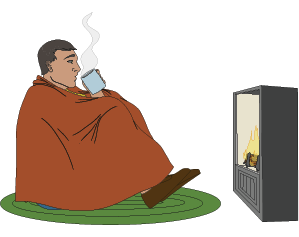
Don’t give a casualty in moderate hypothermia anything to drink. Their muscles that allow them to swallow may not be functioning well and they could choke. You should actively rewarm the casualty only if you are far from medical aid. To rewarm the casualty, place them near a heat source and place containers of warm, but not hot, water in contact with their skin (neck, armpits, groin). Prevent further heat loss and get medical help as soon as possible.
Frostbite
Frostbite refers to the freezing of tissues when exposed to temperatures below zero. It is a progressive injury with two stages: superficial frostbite and deep frostbite.
|
Signs and Symptoms of Frostbite |
||
|
Stage |
Description |
Signs and Symptoms |
|
Superficial frostbite |
The full thickness of the skin is frozen. 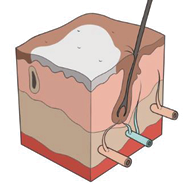
|
|
|
Deep frostbite |
The skin and the tissues underneath the skin are frozen, sometimes to the bone. A serious condition, often involving an entire hand or foot. 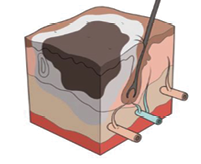
|
|
First aid for superficial frostbite
To give first aid for superficial frostbite, perform the following steps:
- Gradually rewarm the frostbitten part with body heat (if possible).
- Cover frostbitten toes, ears, etc. with warm hands.
- Warm up frostbitten fingers by placing them in a warm area of the body like the armpit, abdomen, or groin.
- Take measures to prevent these areas from freezing again. Either stop the activity or dress more appropriately.
First aid for deep frostbite
Deep frostbite needs medical help as soon as possible.
To give first aid for deep frostbite, perform the following steps:
- Prevent further heat loss from the frozen part and the rest of the body. Handle the frozen tissue gently to prevent tissue damage.
- Get medical help. If the feet or legs are frozen, transport using a rescue carry or stretcher if possible.
- If medical help is not available, you are in a safe, warm place, and there is no danger of the part refreezing, then thaw the frozen part.
- Gently remove the clothing from the affected part.
- Find a container that is large enough to hold the entire frozen part and fill this with water that feels warm when you put your elbow in it (about
40° C).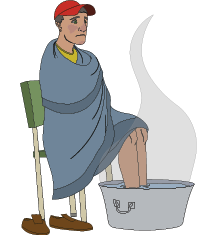
- Remove any jewelry and put the whole frozen part in the water. Keep adding warm water to keep the water in the container at a constant temperature.
- Keep the part in the water until it is pink or does not improve any more. This can take up to 40 minutes and may be painful.
- Gently dry the affected part. Put sterile dressings over wounds and between fingers or toes.
- Keep the part elevated and warm. Do not break any blisters that form.
A deeply frostbitten extremity will be very painful as it defrosts. There will be swelling and perhaps tissue loss. For that reason, it is best done at a medical facility. If the casualty must walk out or be transported, do not thaw the frozen part. There will be less tissue damage and pain if the part is left frozen. Make sure the rest of the body is well protected from the cold and the casualty has plenty of food and water during the journey to safety.
Cautions in first aid for frostbite
Adhere to the following cautions when giving first aid for frostbite:
- Do not rub the area. The tiny ice crystals in the tissues may cause more tissue damage.
- Do not rub snow on the area. This may cause further freezing and tissue damage from the rubbing.
- Do not apply direct heat. This may rewarm the area too quickly.
Trench Foot
Trench foot (also known as immersion foot) is a condition caused by prolonged exposure to cold, but not freezing temperatures, usually along with wet conditions. Trench foot earned its name from the First World War when soldiers fought for long periods of time in waterlogged trenches.
Trench foot has been identified more recently at events where poor foot hygiene may be present:
- Multi-day music festivals
- Long-distance or multi-day races
- Hiking in cooler, wet conditions
- Prolonged work in cool and wet conditions
Signs and symptoms of trench foot
The following are signs and symptoms of trench foot:
- Numbness or burning pain
- Discoloured skin that turns pale
- Swelling
- Leg cramps
- Development of blisters or ulcers after 2 to 7 days
- Odour in later stages due to dead tissue (necrosis)
First aid for trench foot
First aid for trench foot requires medical intervention and usually involves the removal of damaged skin (or debridement of the wounds). Perform the following to prevent trench foot from setting in:
- Keep feet dry: Change socks and footwear when wet.
- Keep feet warm: Temperatures of 16° Celsius or lower increase the risk of trench foot.
- Wash feet regularly and allow them to air dry.
- Avoid sleeping with socks on, particularly if they are wet or dirty.
- Use heat packs to help rewarm cold feet that are showing early symptoms.
Frozen State
When the temperature is below zero, it is possible to discover someone who is completely frozen. This is called a frozen state. Recognize a frozen state when:
- The casualty is found in a cold location and is unresponsive.
- The joints of the jaw and neck are rigid when you try to open the airway.
- The skin and deeper tissues are cold and cannot be depressed.
- The entire body moves as a solid unit.
If the casualty is in a frozen state, do not attempt to perform the ABCs of a primary survey. If it does not pose a risk to the rescuers, transport the casualty to medical help. Otherwise, record the location of the body, get yourself to safety, and make arrangements for future retrieval.
 |
 |