Environmental Injuries and Illnesses
Bites and Stings
The following section provides information and first aid procedures for bite and sting medical emergencies.
Animal and Human Bites
Animal and human bites that cause puncture wounds or lacerations may carry contaminated saliva into the body and are dangerous because of the risk of infection. The most common human bites in adults are to the hand. For human bites, although the risk is lower, there are concerns of contracting diseases such as hepatitis, Methicillin-resistant Staphylococcus Aureus (MRSA), Herpes Simplex virus, tetanus, and possibly HIV/AIDS. Contracting HIV through a human bite is rare; however, if there was blood in the mouth of the person who bit the casualty, there is a possibility of contracting this virus.
All animal and human bites that break the skin should be seen by a doctor.
Rabies is an acute viral disease of the nervous system that is always fatal if not treated. Rabies should be suspected in domestic animals if they behave in an unusual way, and in all attacks by wild animals (bats, foxes, skunks, raccoons, and more). The rabies virus can be transmitted to anyone who handles a diseased animal or who touches the area of the wound that carries the virus. To be safe, always give first aid for an animal bite as if the animal had rabies until it is proven otherwise.
Be especially careful when giving first aid to anyone you suspect may have been exposed to rabies and when handling the live or dead animal involved. Wear gloves and/or scrub your hands thoroughly after contact to reduce the risk of infection.
Even if a person has been exposed to a rabid animal, full-blown rabies can be prevented if immunization against the disease is administered as soon as possible.
First aid for animal and human bites
To give first aid for animal and human bites, perform the following steps:
- Perform a scene survey and a primary survey.
- Examine the wound to see if the skin was broken.
- If there is bleeding, allow moderate bleeding of the wound because this helps to cleanse the wound.
- Wash the wound then apply a dressing and bandage.
- Get medical help.
Snake Bites
In Canada there are a variety of snakes that can be found around British Columbia, Alberta, Saskatchewan and Ontario. However, the rattlesnake is the only kind of poisonous snake that lives in these areas.
When a rattle snake bites someone, they often leave one or two small puncture wounds in the skin which is how the snake injects the venom to the casualty. When bitten, the casualty will feel a burning sensation, followed by swelling, discoloration of the skin, weakness, severe pain, nausea and vomiting. It’s important to note that the casualty’s breathing may be affected. Ensure you monitor their breathing rate closely.
If you are travelling to areas where there are other poisonous snakes, take the time to research the possible signs and symptoms and first aid needed.
First aid for snake bites
To give first aid for snake bites, perform the following steps:
- Perform a scene survey and primary survey.
- Place the casualty in a position of comfort, ideally at rest, semi-sitting or lying down. Try to keep the casualty calm and the body part containing the bite wound below heart level to prevent the venom from spreading as quickly.
- Allow some bleeding to occur, as this may help expel some of the venom.
- Flush the bite if possible. Wrap a large roller bandage around the entire length of the bitten extremity, just tight enough that you can get your fingers under the bandage. This is an effective and safe way to slow circulation of the venom.
- Immobilize the limb.
- Give ongoing casualty care.
Precautions when dealing with snakes and snake bites
Keep yourself safe by by adhering to the following snake bite tips:
- Be aware of your surroundings as most snakes will usually be within 10 meters of the area where they last bit the casualty.
- Attempt to keep the casualty at rest. If the casualty needs to be transported, attempt transport methods that don’t include walking or running.
- Do not give the casualty alcoholic beverages.
- Do not try to suck the poison out with your mouth.
- Do not apply ice to the affected area as this could cause more damage.
- If the snake is killed, bring it along with you to medical help for identification.
 Note: Use caution when handling the head of a dead snake as they might still be able to bite due to their reflexes.
Insect Bites
Insect bites or stings can often cause pain, redness, swelling and itching at the site of the sting. People who are allergic or have severe allergies can experience life-threatening reactions to stings.
Signs and symptoms of a bite or sting can include:
- Localized pain
- Swelling
- Redness
- Itching
- Heat at the sting site
Signs and symptoms of an anaphylactic reaction to a bite or sting
Signs and symptoms of an anaphylactic reaction to a bite or a sting can include:
- A bump at the sting site that can be red, pink, white, or discolored
- General itching around the sting site or the body
- Generalized swelling around the body, especially the airway
- Breathing difficulties
- Anxiety, vomiting and abdominal cramps
- General weakness
- Headaches
- Fever
First aid for an insect bite or sting
To give first aid for an insect bite or sting, perform the following steps:
- Perform a scene survey, then a primary survey. Are there any signs of an allergic reaction?
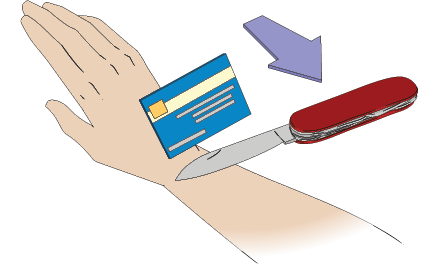
- Take a good look at the sting site. Is there a stinger still attached to the skin? Honeybees will often leave their stinger attached with their venom sack, while wasps will not. If the stinger is there, remove it by carefully scraping the stinger and attached sac from the skin with a sturdy edge. Credit cards or the back of a knife work well.
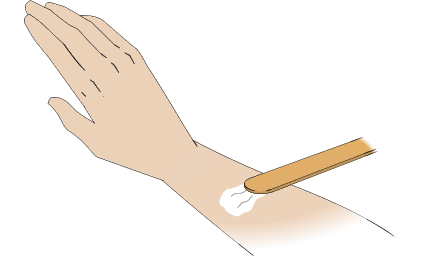
- Apply rubbing alcohol or a mix of baking soda and water to help alleviate the irritation. Do not use alcohol near the eyes. Ice can also be used to relieve pain.
Tick Bites
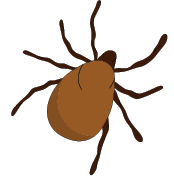
Ticks are commonly found in Canada, especially in areas with heavy vegetation.Ticks will drop from foliage onto animals or humans to feed. Ticks will then bite through the skin and anchor themselves onto the body with their barbed mouth making them hard to remove. A tick will feed on the blood of their host (the animal or human from which they are feeding) for many hours. Ticks can become quite large with the blood they ingest, and once they are done feeding the tick will detach itself and fall off the host.
They sometimes carry diseases that can be transmitted to humans. If a tick is found, check your body and clothing thoroughly for others. Keep the tick for identification by a medical professional.
First aid for tick bites
To give first aid for tick bites, perform the following steps:
- Use a tick removal tool to pull out the tick by sliding the tool along the skin and carefully pulling away from the body.
- If you do not have a tick removal tool, use tweezers by grasping the tick close to the skin and carefully pulling at a slow but steady pace. Do not grasp the tick body as it may break open, spraying the contents and therefore, spreading bacteria.
- If you don’t have tweezers, wear gloves or cover your hand with a plastic bag or tissue paper. If the tick is full of blood, wear eye protection.
- Keep the dislodged tick and bring it to medical help for identification.
- Clean the area and apply an antiseptic to prevent infection. Ticks can carry various diseases which may cause symptoms several days after exposure. If the tick is found engorged, or if the site of the bite shows any sign of infection or rash (which may by ring-shaped), get medical help.
Leech Bites
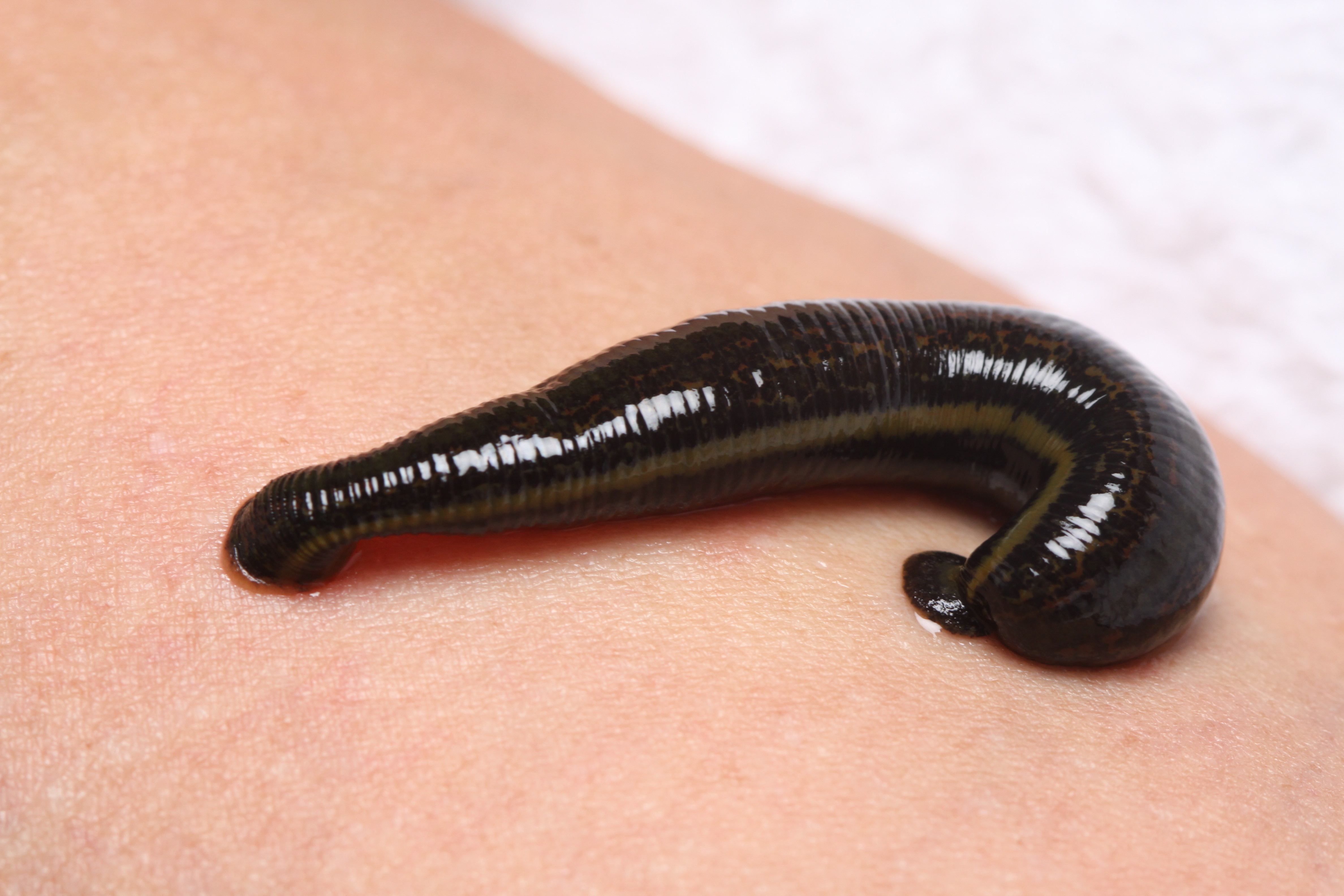
A leech will attach itself to the skin by making a small cut on the skin that is often not felt at the time of the bite. The leech will then feed off the blood of the human or animal to which it has attached. it . To remove a leech it is important to not pull it off as this will often cause the leech to tear into smaller parts which then can make it harder to remove and increase the risk of infection.
First aid for lesions from leeches
To give first aid for lesions from leeches, perform the following steps:
- Detach the leech by first using a fingernail to push the head end of the leech off the skin. The head end is the smaller, skinnier part of the leech. After the head is released, use a fingernail to push the larger end off the skin.
- Once you detach the leech, the wound will begin to bleed. Leeches have anticoagulants in their saliva that will make the wound bleed more. Wash the area with soap and water and apply a paste of baking soda and water, or ammonia to relieve irritation.
- If the wound starts to show signs of infection, seek medical help.
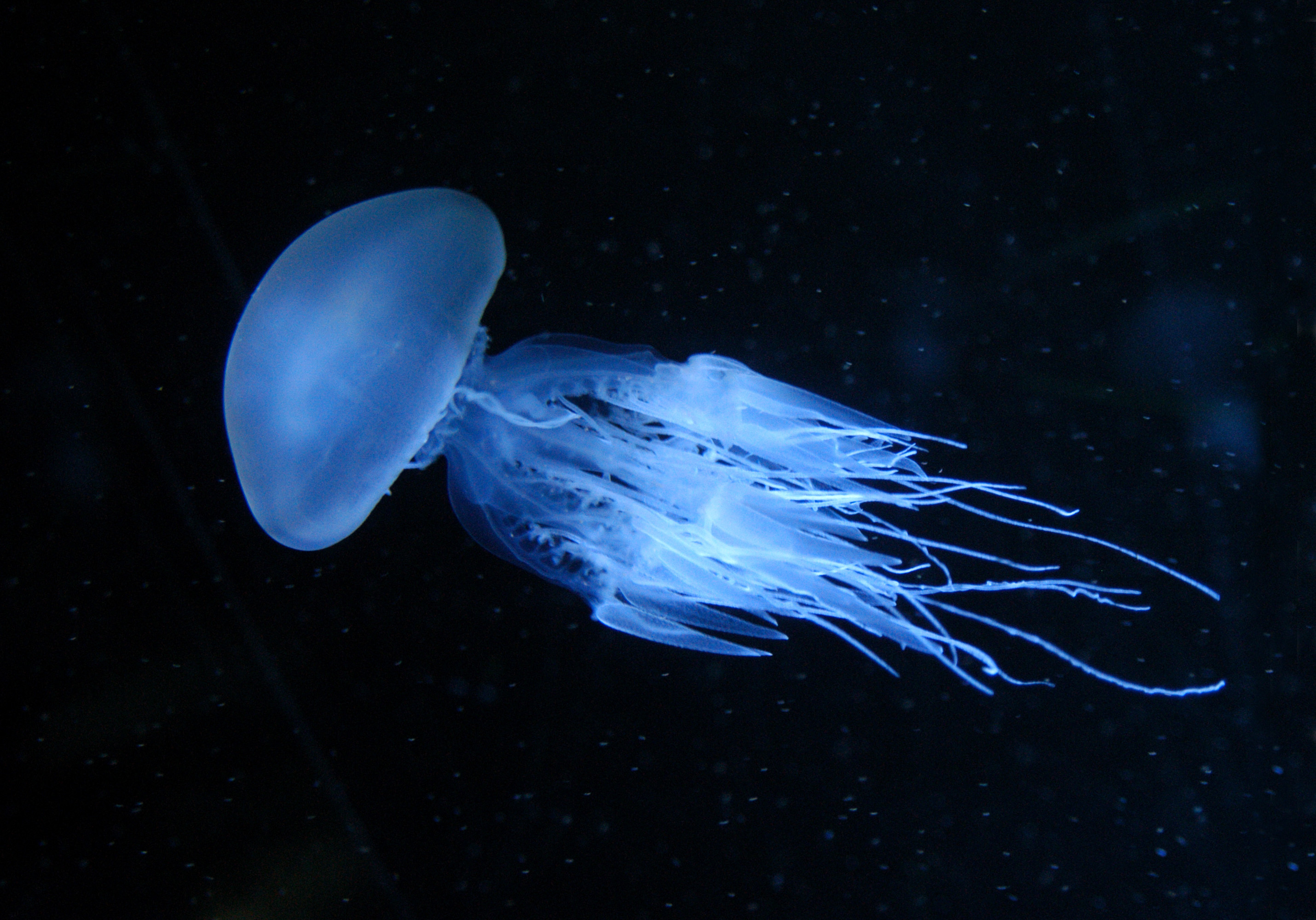
Stings from Sea Jellies (Jellyfish)
Sea jellies can be found in any body of water, whether salt water or fresh, with different varieties being found in Canada. Sea jellies that have been known to cause death live in tropical climates and have not been located near Canada. All sea jellies sting their prey using nematocysts, which in simple terms are “stingers.”
These stingers may contain venom which can be harmful, but more commonly cause an unpleasant stinging or burning sensation.
First aid for jellyfish stings
To give first aid for jellyfish stings, perform the following steps:
- Perform a scene survey and a primary survey.
- Apply as much vinegar as possible to the affected area. Vinegar will stop the stingers from releasing venom.
- To help relieve pain, bathe the affected part in warm water, as warm as the casualty can tolerate, for about 20 minutes.
- Do not apply cold water. Cold water helps the stingers to continue releasing venom.
- If signs of infection occur, seek medical help.
 |
 |